Role-Based Living
Mother, wife, daughter, professional, caretaker: the roles may be real, but they are not the whole self.
Women’s second adulthood
Everyone reaches a moment when the life that once fit no longer fits who she is becoming. Rebuilding Selfhood helps you know yourself again, see what has already been written, and notice where choice is still possible.
About 5 minutes · Free · No right answers
Identity Crisis, Not Illness
Many women enter a second stage of adult development at some point in life. Divorce, empty nest, career burnout, aging, body change, or years of caring for others can all reveal the same deeper question: who am I now?
The problem is often not that something is wrong with her. It is that an old identity, built from roles and responsibility, can no longer hold the life that is asking to emerge.
Role-Based Living
Mother, wife, daughter, professional, caretaker: the roles may be real, but they are not the whole self.
Identity Transition
The old answers loosen before the new self has enough form, language, or evidence.
Self-Authored Life
A woman begins to choose from desire, values, capability, and creation.
Selfhood Growth Profile
Selfhood is not one single ability. It appears in how you understand yourself, enter relationships, make choices, and create a life.
01
Fear, inner conflict, perfectionism, self-worth.
Ask yourself:
Am I allowed to want this? Am I too late?
Fear, inner conflict, perfectionism, self-worth.
02
Marriage, children, parents, intimacy, friends.
Ask yourself:
Where are my boundaries? How do I not lose myself again?
Marriage, children, parents, intimacy, friends.
03
Burnout, transition, money, ambition, independence.
Ask yourself:
Is this still the work I want? Can I begin again?
Burnout, transition, money, ambition, independence.
04
Aging, health, sexuality, appearance, expression.
Ask yourself:
Can I inhabit my body as mine, not as an object to manage?
Aging, health, sexuality, appearance, expression.
These four dimensions describe the life contexts where growth difficulties appear. The assessment looks at the psychological capacities beneath those difficulties. The two can inform each other, but they answer different questions.
Growth is not a score
The assessment is not here to classify you. It helps you see where you stand right now, and where your next movement may begin.
Notice where duty, correctness, and inherited expectations still organize the self.
External demand
Inner recognition
Recover the ability to feel want, longing, curiosity, and aliveness as valid information.
Muted desire
Recognized wanting
Turn desire into boundaries, decisions, and a life that can be chosen from within.
Old scripts
Self-directed choice
Build the capacity, resources, and repeated self-trust needed to act in reality.
Uncertain capacity
Embodied agency
Give form to a self-authored life through work, expression, relationship, and impact.
Private insight
Visible creation
These five axes are independent, not a sequence. A person may have real strength on one axis while still practicing on another.
Start by seeing where you stand across these dimensions and axes right now.
Evidence of Growth
Below are several kinds of milestones that may appear. What matters most is the “first time” that happens inside your own life.
Boundary Building
First time saying “I do not want.”
Desire Recovery
First time saying “I want.”
Body Reconnection
First time listening to the body before overriding it.
Exploration
First solo trip, class, hobby, city, or experiment.
First public talk, negotiation, project, or decision.
Self Expression
First essay, published work, hosted gathering, or community built.
Relationship Growth
First honest request or changed relational pattern.
First piece of work shared with the world.
These categories are arranged by the stages of the Selfhood Map. The Map is a narrative thread, not a scoring model — you do not have to move through it in order, and staying somewhere is not falling behind.
Season 1 Preview
The first season is a ten-part guided journey now being shaped around real learner interest. It begins with lived experience and moves through questions, perspective, reflection, and small actions.
Ten mini lessons · 5–8 minutes each
How experience shapes the world you see.
01
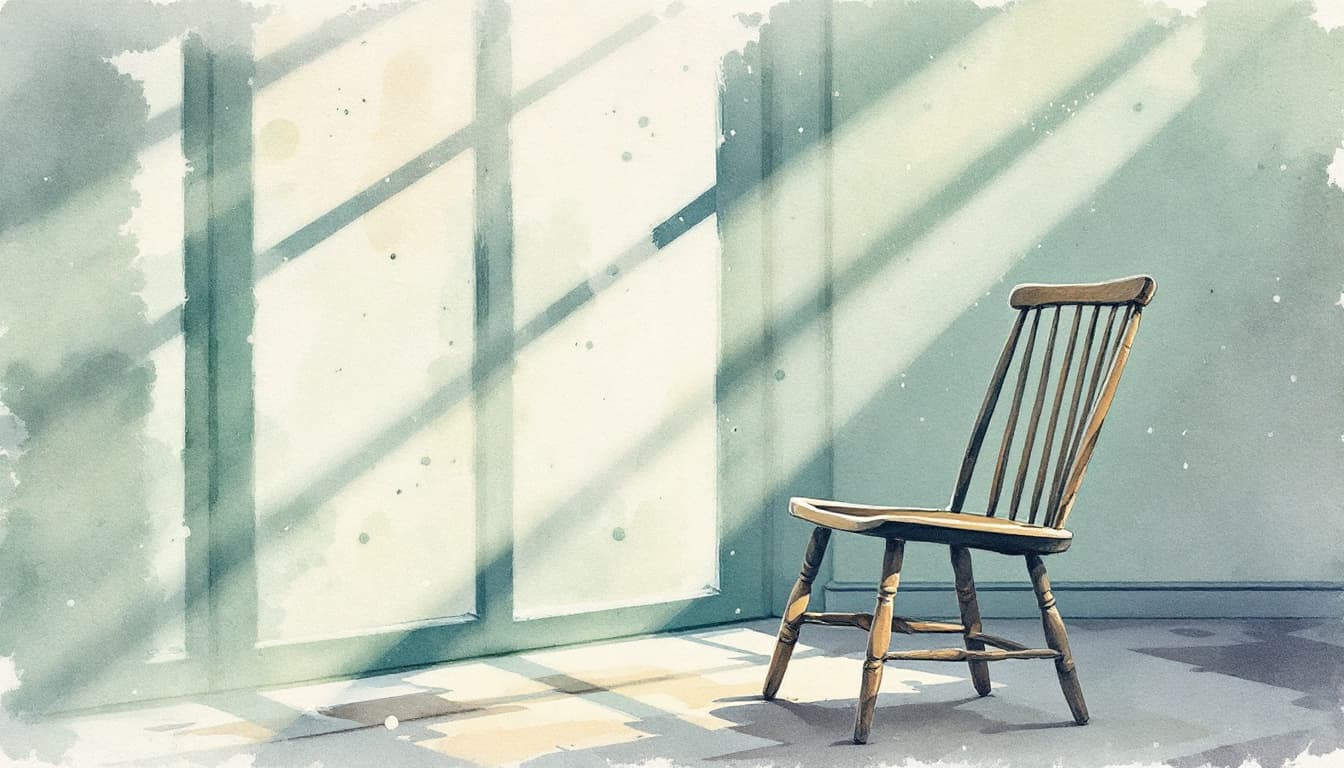
Relearning how to feel the world: experience comes before selfhood.
02
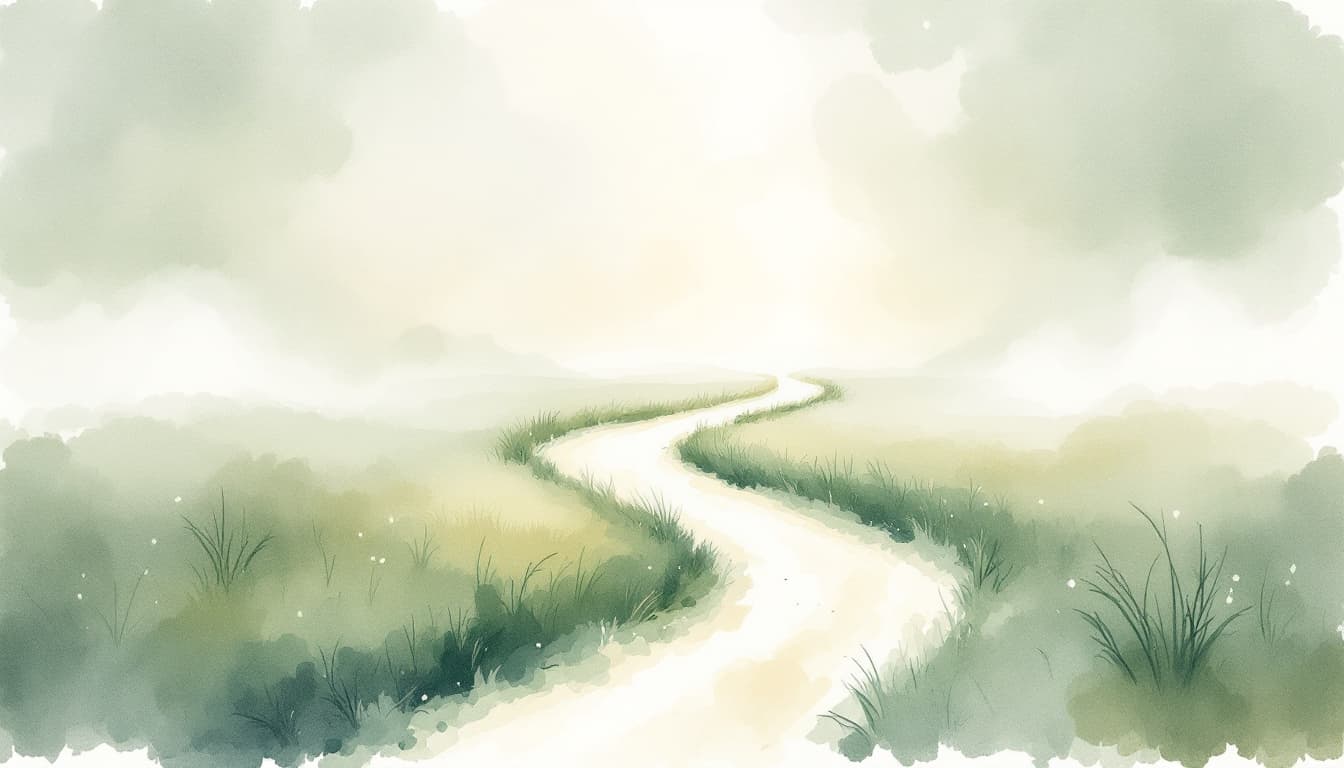
Why do we live in the same world but different realities?
How much of the “me” I assume was shaped by something else.

03
Who am I? Roles are not the self.
04
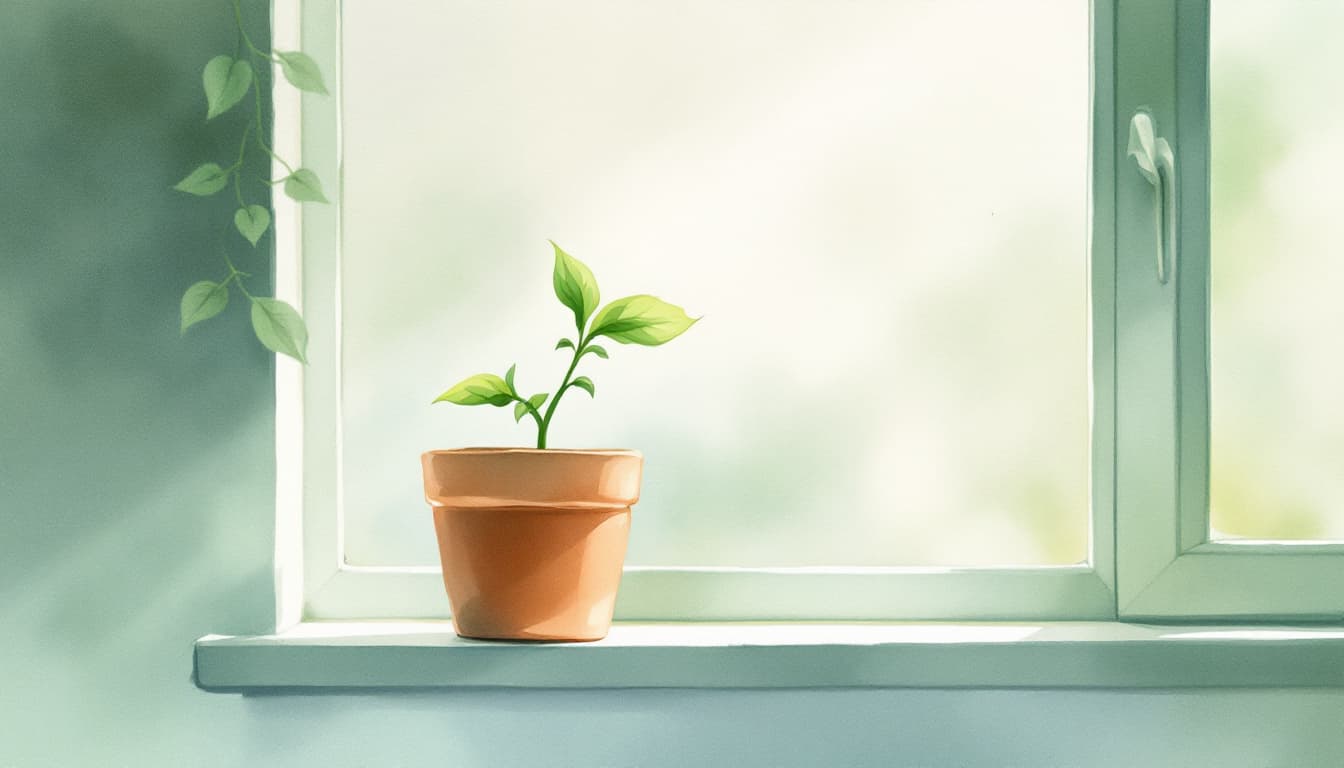
Why do I no longer know what I want?

05
Why did ‘I should’ become ‘I must’?
The inner and outer obstacles of becoming yourself.
06
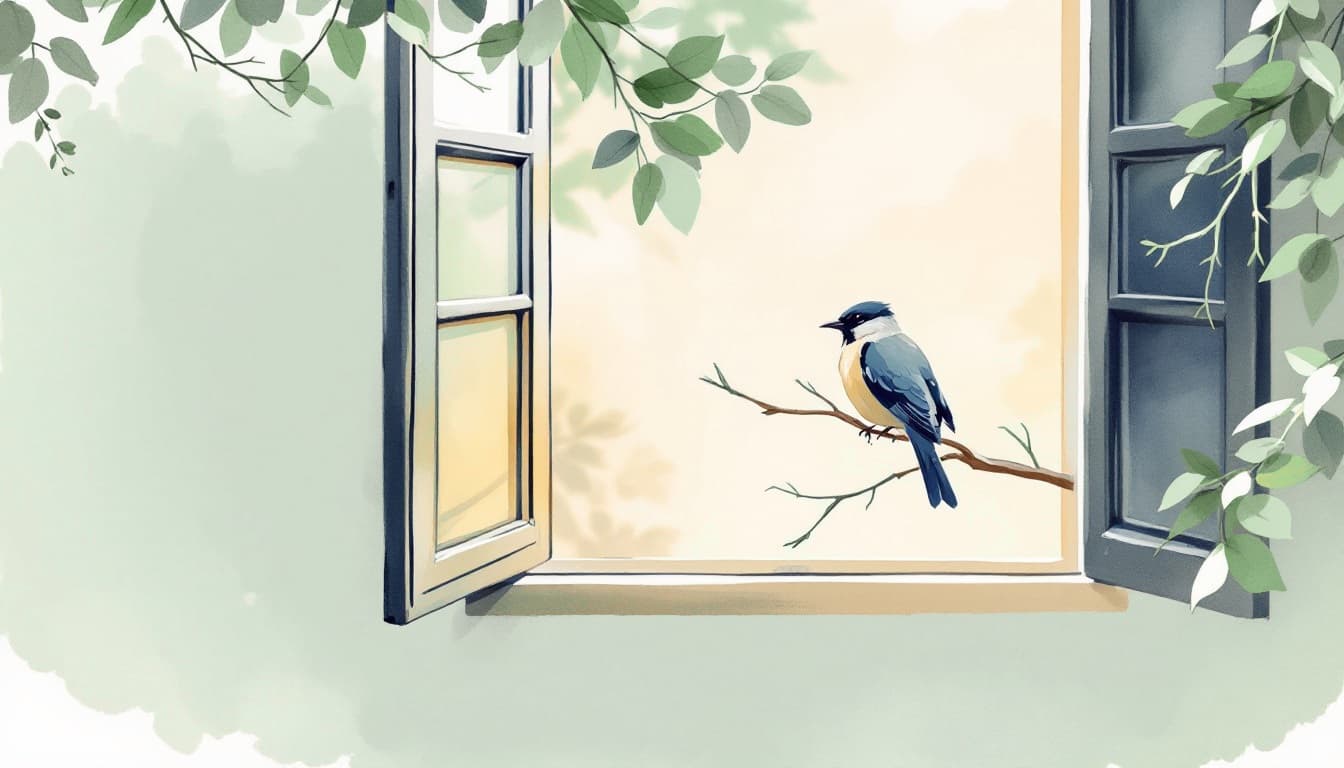
Why does freedom feel frightening?
07
Why did relationships shape me and also trap me?
From seeing the question to living the answer.

08
What is true selfhood?
09
Why is creation the expression of maturity?

10
How do I become the author of my own life?
Future Product Direction
You can generate your Selfhood Growth Profile now. These are the next pieces we are shaping with care.
Sprig Growth Companion
A gentle companion
Growth Journey
A path that can keep moving
Rebuilding Selfhood Weekly
A podcast for ongoing reflection
Member Circle
Warm interaction among members
Begin Exploring
See the real challenge, choose one small action, and let change begin to leave evidence.
